

As an Amazon Associate I earn from qualifying purchases. This post contains affiliate links.
Introduction: The Curious Ritual Behind Coffee Perfection
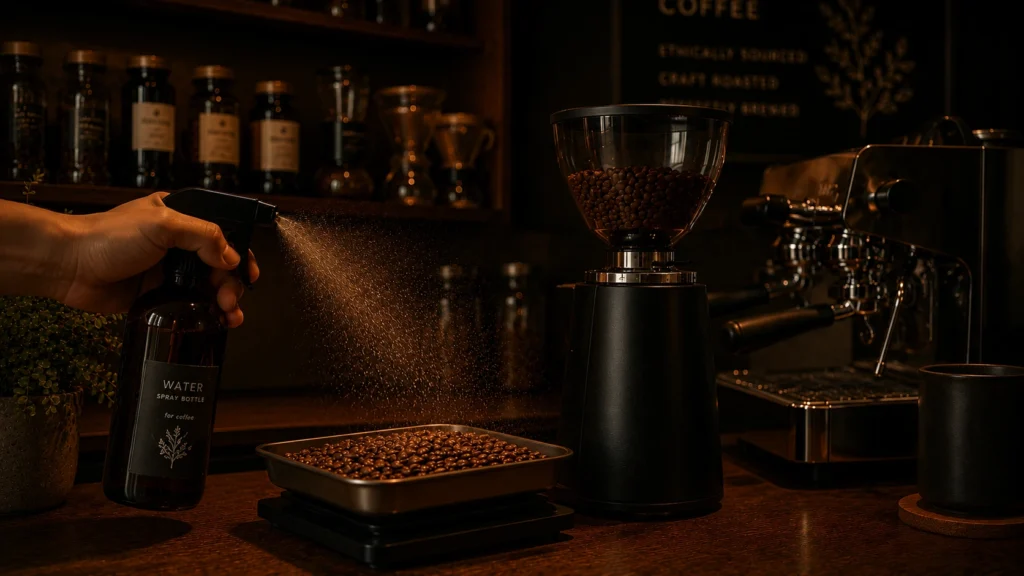
Ever spotted a barista spritzing coffee beans with water right before grinding? This seemingly simple step is gaining traction in specialty cafes and home setups worldwide. But why do coffee shops spray water on beans before grinding? Is it just for show, or is scientific magic happening behind the scenes?
In this comprehensive guide, we’ll dive deep into the real reasons for this unique technique, uncover the science of static and caffeine extraction, and offer expert tips on optimizing your own daily brew. Whether you’re a seasoned barista, a curious home brewer, or simply a coffee lover, understanding this method can elevate your coffee experience.
The Origin Story: How Water Spritzing Became a Coffee Shop Trend
The water-spritzing method, also known as the Ross Droplet Technique (RDT), traces its origins to David Ross, an Australian coffee aficionado. In the early 2000s, Ross discovered that adding a tiny amount of water to beans before grinding significantly reduced static electricity—a common annoyance when grinding fresh coffee.
This discovery quickly spread in online coffee communities and found its way into specialty cafes, where baristas honed the technique. Today, it’s recognized by industry professionals as a best practice for both espresso and filter coffee preparations.
The Science: Why Static Electricity Matters in Coffee Grinding
What Causes Static Electricity in Ground Coffee?
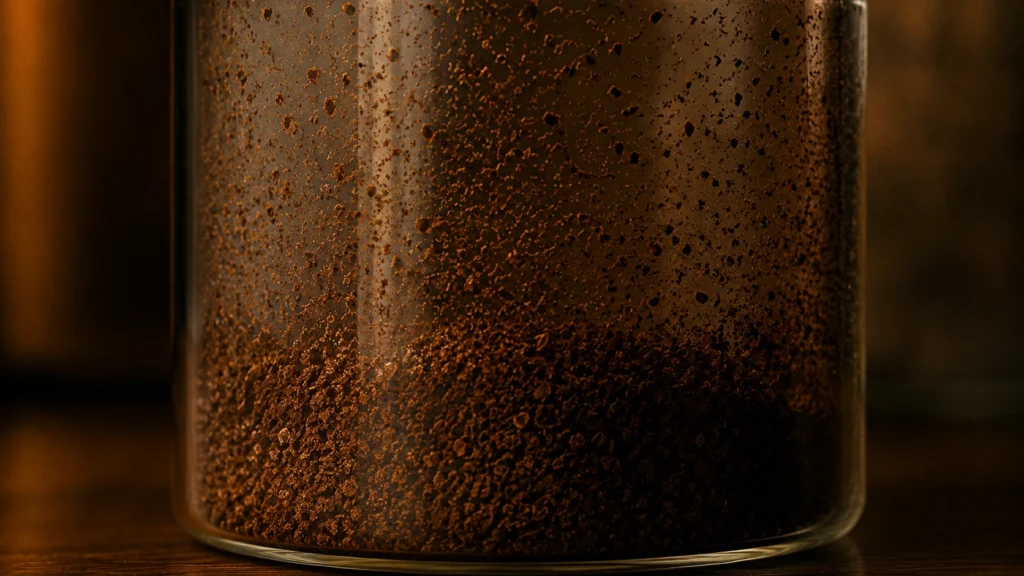
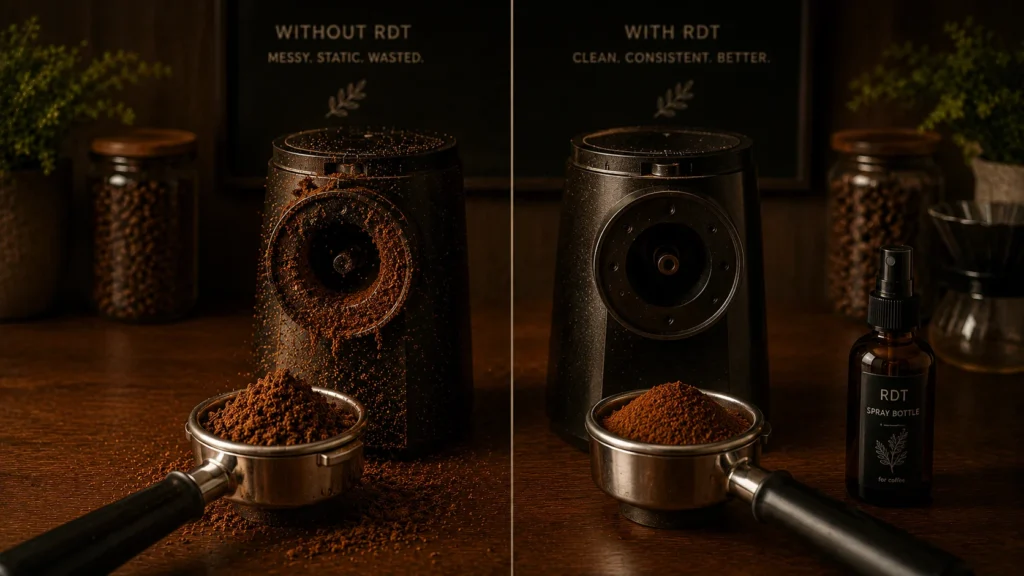
When you grind coffee beans, the friction inside the grinder generates static electricity . This static charge causes fine coffee particles to cling to the grinder walls, chute, and grounds container, leading to:
- Messy, scattered coffee grounds
- Inconsistent dosing (lost coffee = variable strength)
- Difficulty in distributing coffee evenly in portafilters or filter baskets
How Water Neutralizes Static
A light spritz of water on beans before grinding effectively neutralizes static. Here’s why:
- Water acts as a conductor, allowing built-up static electricity to dissipate harmlessly.
- Even a small amount (just 1-2 drops per 18-20g of beans) is enough.
- This prevents fine particles from clinging everywhere, ensuring all coffee grounds end up where they belong.
Beyond Cleanliness: Taste and Consistency Benefits
While minimizing static is a big deal, spraying water does more than keep your counters clean.
Key benefits include:
- More uniform extraction: Less loss of coffee grounds means more precise, repeatable dosing.
- Better flavor: Consistent dosing leads to more balanced brews, free of over- or under-extraction.
- Reduced waste: Every precious gram of coffee ends up in your cup, not the dustbin.
Does Water Affect Coffee Aroma or Flavor?
Some worry the water might harm beans by promoting premature extraction or affecting aroma (Especially if it’s high-quality, specialty coffee, like the ones we featured here.) In practice:
- The minuscule amount used evaporates almost instantly upon grinding.
- Studies and blind taste tests reveal no negative impact on flavor.
- In fact, improved consistency can enhance perceived sweetness and clarity.
Caffeine and Chemistry: What Really Happens?
How Grinding Affects Caffeine Extraction
Grinding increases the surface area of coffee, making caffeine and other soluble compounds more accessible during brewing. Uneven grinding or loss of particles due to static can lead to:
- Inconsistent caffeine strength cup to cup
- Under- or over-extraction of flavor and caffeine
Spraying water ensures you grind—and brew—the full dose, leading to more consistent caffeine levels.
Will Adding Water Change Caffeine Content?
No. The water sprayed on beans evaporates or is absorbed during grinding and does not dilute or reduce caffeine content. If anything, by reducing bean loss, it ensures accuracy in your desired caffeine dosage.
Sleep Science: Evening Coffee and the Role of Precision
Many coffee lovers ponder: “Will a more consistent grind and dose keep me up at night?”
How Caffeine Impacts Sleep
- Caffeine is a central nervous system stimulant, blocking adenosine receptors that promote sleepiness.
- Precise dosing means you can better predict your caffeine intake, helping manage sleep schedules.
- Evening coffee drinkers benefit from methods (like water spritzing) that allow lower and reproducible doses without accidental over-caffeination.
Practical Sleep Tips for Coffee Lovers
- Track your caffeine intake by weighing beans precisely—enabled by static-free grinding.
- Drink your last coffee at least 6 hours before bedtime.
- Opt for single-origin decaf or half-caff for evening relaxation.
How to Use the Ross Droplet Technique (RDT) at Home: Step-by-Step Guide
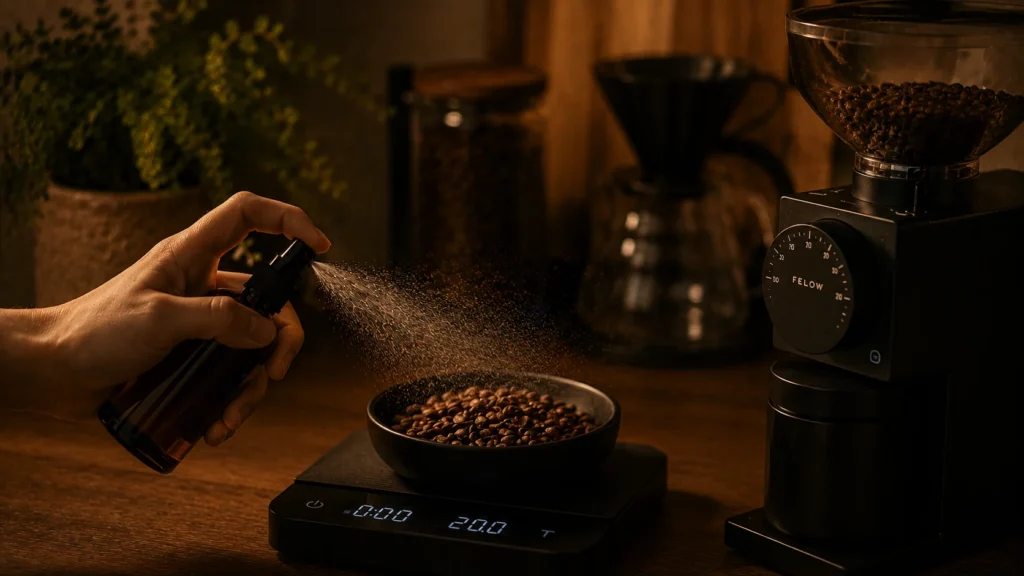
You’ll need:
- Fresh coffee beans
- A spray bottle filled with filtered water
- Coffee grinder
Step-by-step:
- Weigh your beans
Use a digital scale for accuracy. (In this article, we discussed whether a coffee scale is really necessary.) - Spritz the beans
Add 1-2 fine mist sprays (about 0.1–0.2ml per 20g). Beans should be barely damp, not wet. - Toss gently
Swirl or shake to evenly distribute the moisture. - Grind immediately
Load beans into grinder and grind as usual. - Observe the difference
Notice minimal grounds sticking to the grinder and a tidy dosing chamber.
Pro barista tip:
Avoid over-spraying! Too much water can gum up your grinder.
Practical Tips for Home and Café Baristas
- Use only filtered water to avoid mineral deposits in your grinder.
- Clean your grinder regularly—less static means less build-up, but maintenance is still key.
- Experiment with the number of sprays; some roasts may need a lighter or heavier touch.
- For single-dose grinders, RDT is especially effective.
- Avoid spraying beans hours ahead; spritz right before grinding for best results.
Myths vs. Facts: Water and Coffee Grinding
| Myth | Fact |
|---|---|
| Water damages beans | A tiny spritz is harmless and evaporates quickly |
| Spraying water dilutes coffee | The amount is too small to affect strength or taste |
| Only professionals benefit | Home brewers can enjoy cleaner, more consistent results |
| It’s unnecessary with good grinders | Even premium grinders can suffer static, especially in dry climates |
Lifestyle Examples: RDT in Real-World Coffee Routines
In Specialty Coffee Shops
- Baristas spritz beans before every espresso shot to guarantee accuracy in busy environments.
- Less mess, faster workflow, and improved consistency.
At Home with Coffee Enthusiasts
- Home brewers use RDT to minimize waste from high-end beans.
- RDT is popular among pour-over aficionados seeking perfect extraction.
For Travelers and Nomads
- Portable grinders and dry hotel rooms often generate more static.
- Carrying a mini spray bottle enables static-free, consistent brews anywhere in the world.
Frequently Asked Questions: Coffee Bean Water Spritzing
Filtered water is best, as tap water minerals can eventually build up in grinders.
Typically 1-2 sprays (0.1–0.2ml) per 18–20g dose. Beans should feel slightly damp, not wet.
Yes—espresso, pour-over, French press, Aeropress, and drip all benefit from more consistent grinding.
Most do, especially electric burr grinders. RDT helps with both entry-level and high-end models.
No, the small amount of water dissipates instantly. If anything, more precise dosing can enhance crema and bloom.
Conclusion: Small Ritual, Big Impact in Your Cup
Spritzing coffee beans with water before grinding may seem like a minor barista quirk, but the science is sound and the benefits are clear. Cleaner workflow, accurate dosing, less waste, and more consistent cup quality—all from a drop or two of water.
Whether you’re dialing in your at-home espresso routine or optimizing high-volume café operations, a simple spray bottle could become your new secret weapon for coffee excellence.
