

Let’s be real: specialty coffee is one of the most overused – and misunderstood – terms in the coffee world. Cafés slap it on menus, brands drop it into ads, and suddenly every cup is “special.”
But here’s the hot take: true specialty coffee is rare, regulated, and earned – not claimed.
This guide breaks it all down. No fluff. No marketing nonsense. Just Specialty Coffee Explained the way baristas, roasters, and judges actually understand it.
What Is Specialty Coffee?
Specialty coffee is coffee that scores 80 points or higher on a 100-point scale set by the Specialty Coffee Association (SCA). That score comes from professional cupping – tasting coffee under strict, standardized conditions.
But numbers alone don’t tell the whole story.
Specialty coffee means:
- Carefully grown at optimal altitude
- Picked by hand (only ripe cherries)
- Processed with intention
- Roasted to highlight flavor – not hide defects
When people ask for Specialty Coffee Explained, this is the core truth:
👉 It’s coffee treated like produce, not a commodity.
Think wine grapes vs boxed wine. Same plant but totally different mindset.
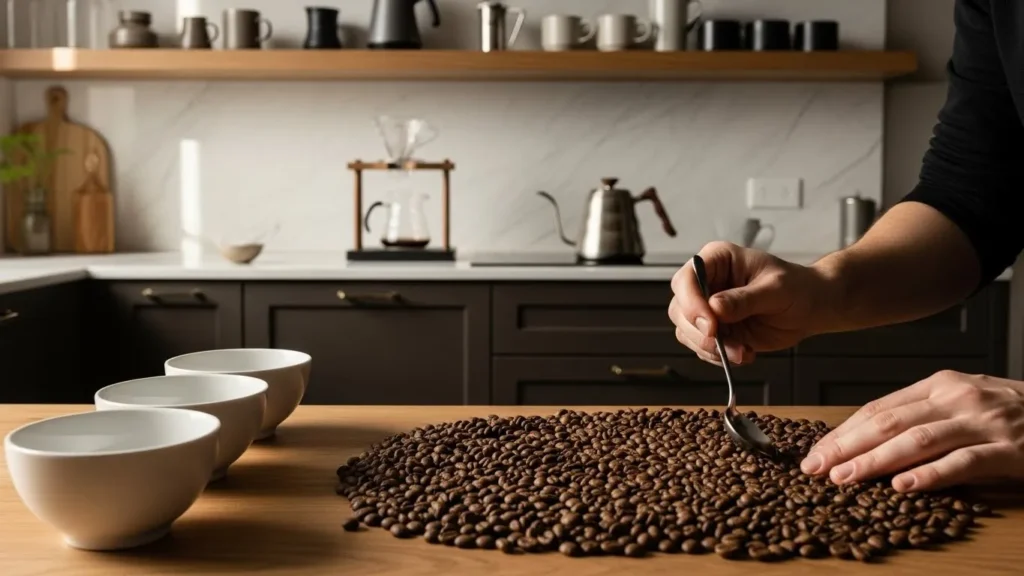
Who Decides If Coffee Is “Specialty”?
Short answer: not the café, not the brand, not Instagram.
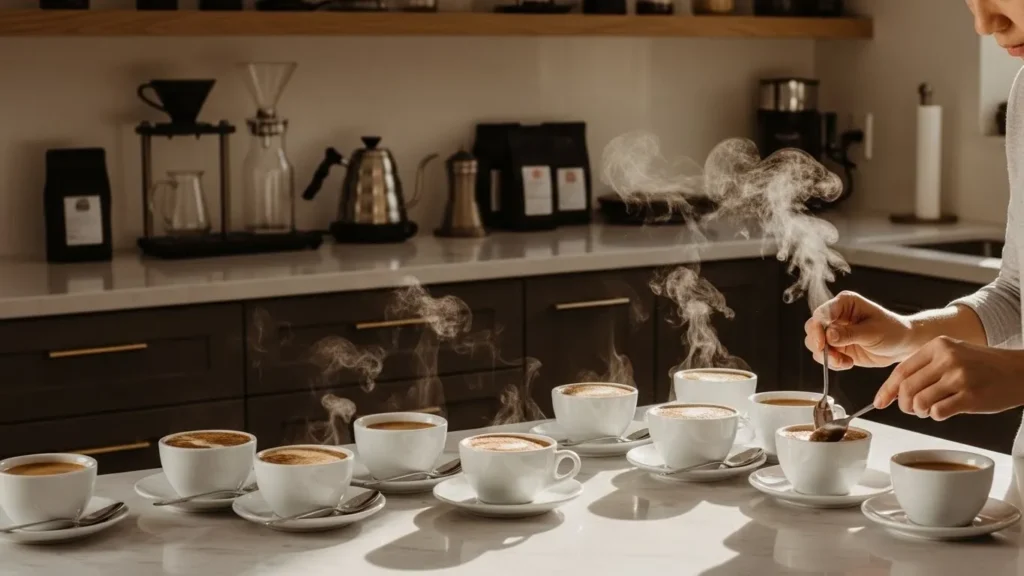
Specialty status is awarded by licensed Q Graders – certified professionals trained to detect defects, aroma, acidity, body, balance, and aftertaste.
The process includes:
- Green bean inspection
- Roast standardization
- Blind cupping
- Defect scoring
Even one major defect can drop a coffee out of specialty range.
Hot take:
☕ If a bag doesn’t tell you the origin, variety, or process – it’s probably not specialty
Transparency is non-negotiable.
How Specialty Coffee Is Grown
Specialty coffee starts years before roasting.
Most specialty-grade beans come from:
- High altitudes (1,200–2,200m)
- Volcanic soil
- Stable microclimates
Farmers focus on:
- Specific coffee varieties (Geisha, Bourbon, SL28)
- Soil health
- Slow cherry maturation (more sugars = better flavor)
This is why specialty coffee tastes brighter, sweeter, and cleaner.
Commercial coffee?
Harvest everything. Sort later. Burn it dark. Problem “solved.”
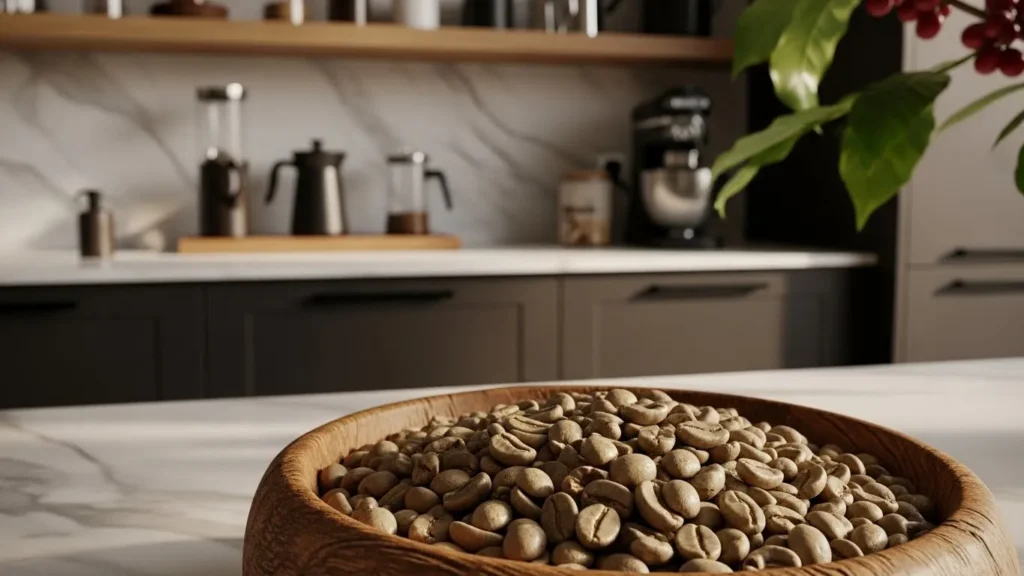
Processing Methods Explained (Why Flavor Changes)
Processing is where specialty coffee gets wild.
The main methods:
- Washed: clean, crisp, high acidity
- Natural: fruity, wine-like, bold
- Honey: sweet, syrupy, balanced
Processing controls how much fruit touches the bean, which directly impacts flavor.
This is why two coffees from the same farm can taste completely different. For a deeper guide to coffee processing methods (washed, natural, honey, etc.), see this article on Perfect Daily Grind
☕ Coffeeonix Secret
If you want to taste specialty coffee instantly, try a washed Ethiopian vs a natural Brazilian back-to-back. That contrast flips a switch in your brain. You can also check out my article about the best coffee beans in the world.
Roasting: Where Specialty Coffee Wins or Loses
Specialty coffee is usually light to medium roasted – on purpose.
Why?
- Preserves origin flavors
- Highlights acidity and sweetness
- Avoids carbon bitterness
Dark roasts are often used to hide defects. Specialty beans don’t need hiding.
Hot take:
🔥 If every coffee tastes the same, the roast is doing too much.
Brewing Specialty Coffee at Home
You don’t need a $3,000 espresso machine.
Best beginner methods:
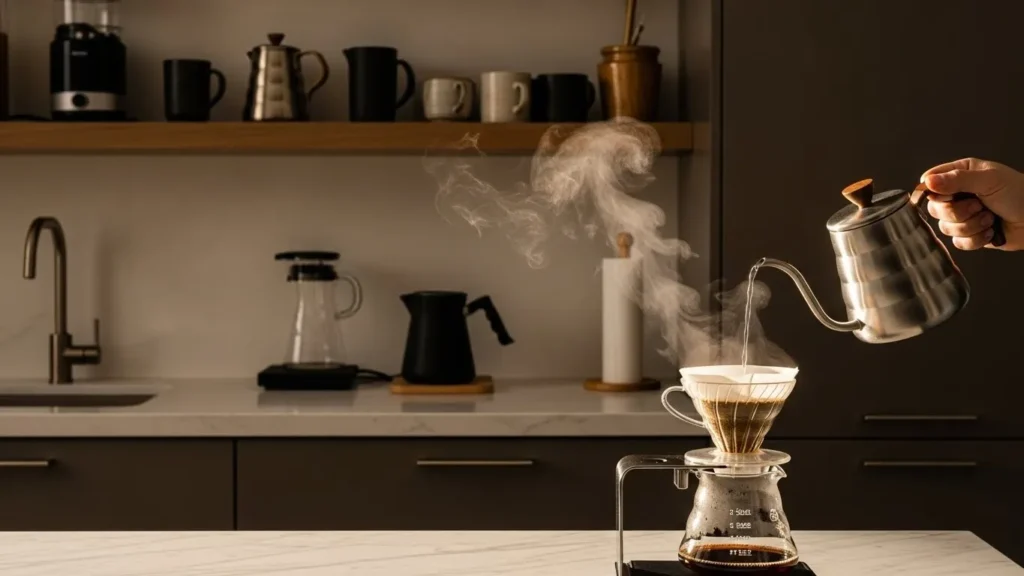
- Pour-over (V60, Kalita)
- French Press
- AeroPress
Key rules:
- Fresh grind
- Filtered water
- Proper ratio (1:15 is a sweet spot)
Specialty coffee rewards precision, not pressure.
Is Specialty Coffee Worth the Price?
Short answer: yes – if flavor and ethics matter to you.
You’re paying for:
- Better farmer compensation
- Sustainable farming practices
- Real flavor diversity
It’s not expensive coffee.
It’s honest coffee.
FAQ
A quality score of 80+, zero major defects, and full traceability.
Some Reserve offerings approach it. Most core blends do not.
Not always. Many farms follow organic practices without certification.
Usually under-extraction or high acidity – not a flaw when balanced.
