

Cheese in coffee sounds like a dare, not a recipe. I thought the same thing. Then I tried it properly – not a random cube dropped into a mug, but with the right cheese, ratio, and temperature. I did it in the morning, making it a kind of experimental new morning coffee ritual. The result wasn’t weird. It was creamy, savory, and surprisingly balanced.
This article answers the exact question people keep skipping: how much cheese should be in coffee, why that amount works, and how to make cheese coffee drinks that taste intentional, not accidental.
Why People Put Cheese in Coffee at All
Before measurements, context matters. Cheese coffee didn’t come from TikTok chaos – it has roots in Scandinavian traditions and modern specialty coffee experiments. The idea is simple: fat, salt, and umami soften coffee’s bitterness and sharpen its sweetness.
If you’ve ever added butter, cream, or milk foam to coffee, you already understand 80% of the logic. Cheese just concentrates that effect.
Key reasons it works:
- Fat binds bitter compounds in coffee
- Salt enhances perceived sweetness
- Protein adds body and texture
The mistake most beginners make is using too much cheese or the wrong type.
How Much Cheese Should Be in Coffee?
Short answer: 5–15 grams of cheese per 200–250 ml of coffee.
That’s it. Anything above that and you’re making soup. Traditional Nordic coffee drinkers typically keep the portion small so the cheese softens without overpowering the drink, a ratio often mentioned in Food Republic’s breakdown of kaffeost traditions.
That’s it. Anything above that and you’re making soup.
The Ideal Cheese-to-Coffee Ratio
| Coffee Type | Cheese Amount | Why It Works |
|---|---|---|
| Espresso (30–40 ml) | 3–5 g | Intense flavor, minimal fat needed |
| Filter / Americano (200–250 ml) | 8–12 g | Balanced mouthfeel |
| Latte-style drinks | 10–15 g | Cheese replaces part of the milk |
Think of cheese as a seasoning, not a topping.
What Cheese Works Best in Coffee (And What Doesn’t)
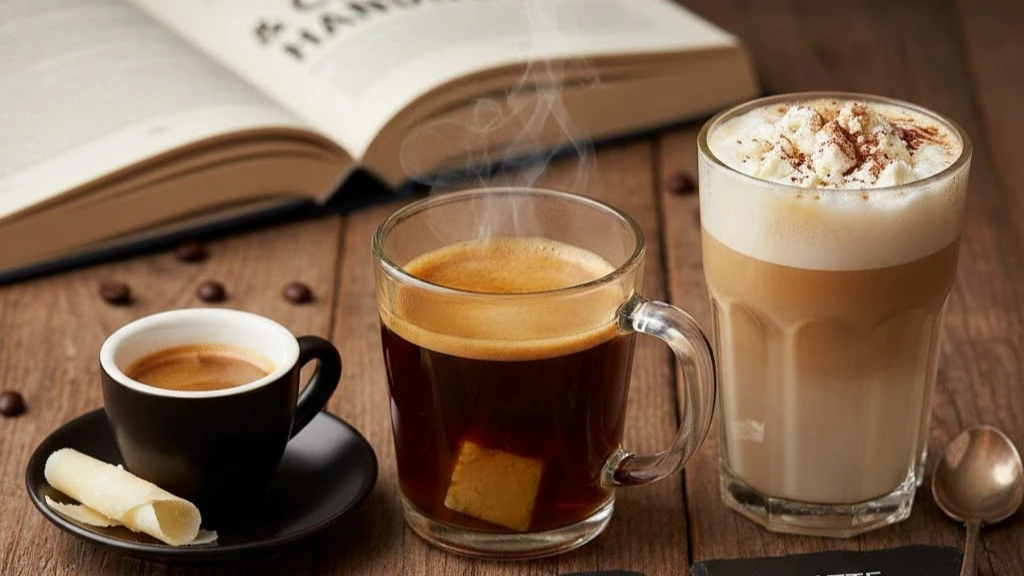
Not all cheese belongs anywhere near coffee. Sharp, aged, or crumbly cheeses usually clash.
Best Cheeses for Coffee Drinks
- Cream cheese – neutral, melts smoothly
- Mascarpone – slightly sweet, dessert-friendly
- Mild cheddar (young) – savory, works with dark roasts
- Brunost – caramelized whey flavor, classic Scandinavian choice
Cheeses to Avoid
- Blue cheese
- Very aged parmesan
- Hard, salty cheeses
They overpower the drink and kill balance.
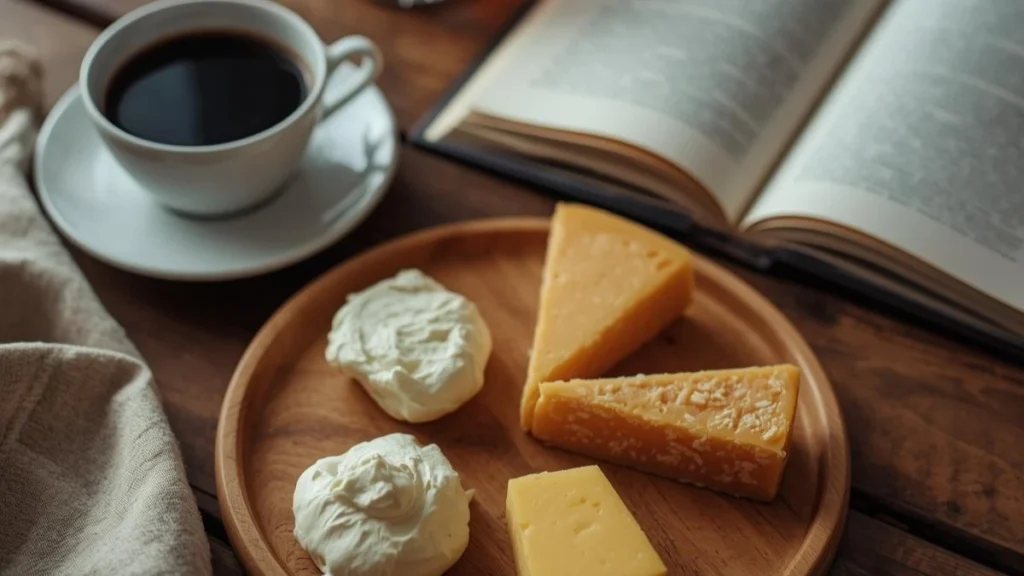
3 Cheese and Coffee Recipes (Tested, Not Theoretical)
I tested these with different roasts and brew methods. Light roast gives acidity, dark roast gives body. I preferred medium to dark – cheese needs structure.
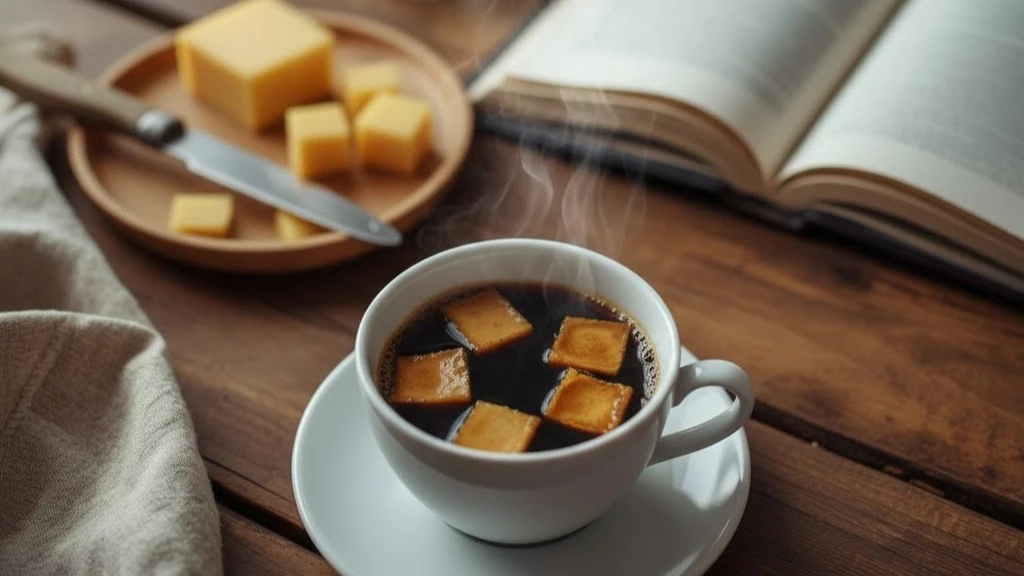
1. Scandinavian-Style Cheese Coffee (Minimalist)
This is the closest to the original idea.
Ingredients:
- 200 ml hot filter coffee
- 8–10 g brunost or mild cheddar
How it works:
- Cut cheese into small cubes
- Drop into the cup
- Pour hot coffee over
- Let it melt slowly
Taste: savory, slightly sweet, clean finish.
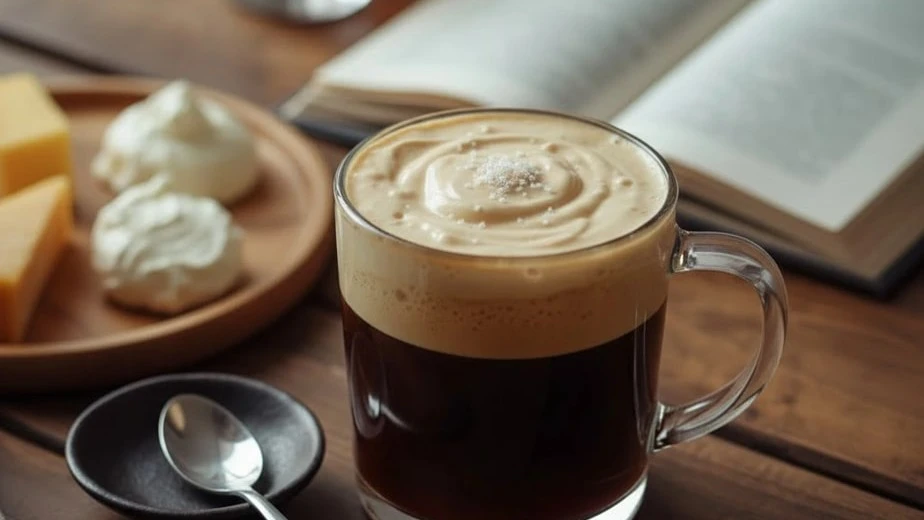
2. Cream Cheese Espresso (Barista Style)
This one feels like a café experiment that worked.
Ingredients:
- Double espresso
- 5 g cream cheese
- Optional: tiny pinch of sugar
Method:
- Whip cream cheese with espresso
- Pour slowly
Texture becomes velvety, almost like a savory cappuccino.
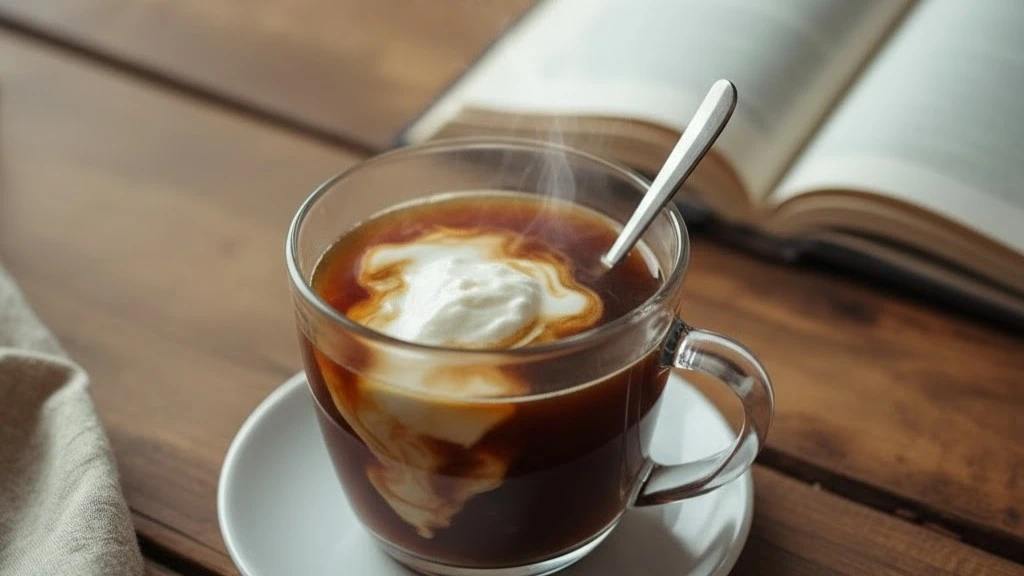
3. Mascarpone Coffee (Dessert-Style)
This is the safest entry point for beginners.
Ingredients:
- 250 ml medium roast coffee
- 12–15 g mascarpone
Stir until dissolved. It drinks like tiramisu without sugar overload.
Common Mistakes That Ruin Cheese Coffee
Most failures come from enthusiasm, not ignorance.
- Too much cheese
- Cheese straight from the fridge
- Very acidic light roast ( You can take a look at our article about the acidity of coffee )
- Skipping salt balance
If it tastes wrong, reduce cheese by half before changing coffee.
FAQ
Yes, when the ratio is right. Bad versions are louder online than good ones.
Soft cheeses do. Hard cheeses soften but may not dissolve completely.
It’s higher in fat but lower in sugar than flavored lattes.
Final Thought
Cheese in coffee isn’t a gimmick. It’s a ratio game. Stay under 15 grams, choose the right cheese, and treat it like an ingredient – not a stunt.
Once you get it right, regular coffee can feel oddly unfinished.
