
Buying a used espresso machine can be either the smartest coffee decision of your life – or a money pit that smells faintly of burnt milk. I’ve done it both ways. This guide is here to make sure you land firmly in the first camp.
Below, I’ll walk you through what to check, what to avoid, and when used beats new – with real barista logic.
Why Buying a Used Espresso Machine Makes Sense
Here’s the hot take: espresso machines depreciate like cars, not laptops.
A well-built espresso machines from brands like Rancilio, La Marzocco, Rocket, ECM, or Profitec can run flawlessly for 15–25 years with basic maintenance. Buying used lets you skip the brutal first depreciation hit and put your money where it matters: build quality.
Instead of spending $700 on a plastic new machine, you could snag a used prosumer espresso machine that originally sold for $1,800-and still pulls shots like a champ.
Used espresso machines make sense if:
- You want better espresso, not more buttons
- You’re comfortable doing basic maintenance
- You value metal, not marketing
Which Espresso Machines Are Safe to Buy Used
Not all machines age gracefully. Some deserve retirement early.
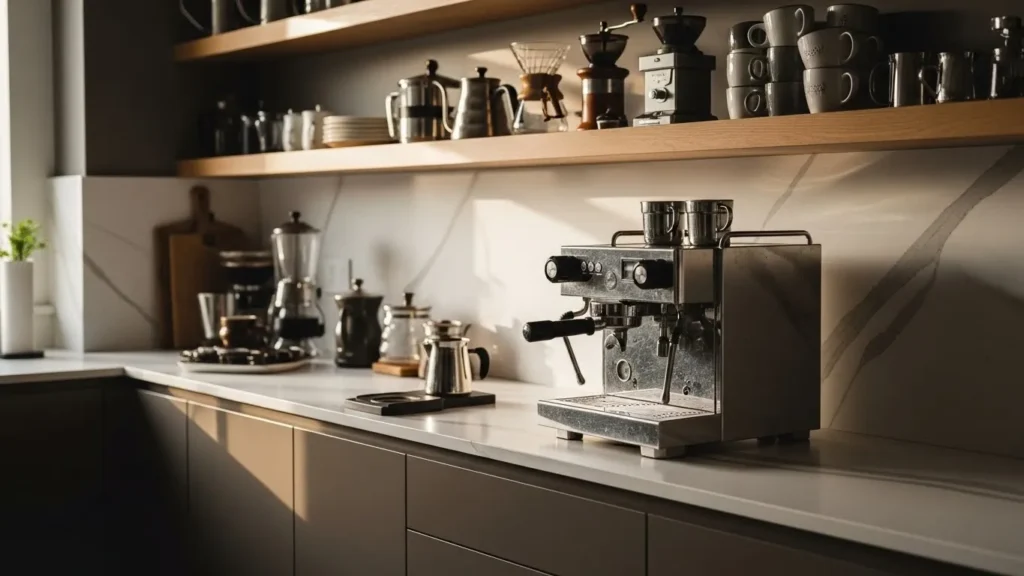
Best Machines to Buy Used
- Prosumer E61 machines (Rocket, ECM, Profitec)
- Commercial machines (La Marzocco Linea, Nuova Simonelli)
- Rancilio Silvia / Gaggia Classic (simple, serviceable tanks)
These machines use standardized parts, are easy to service, and don’t rely on fragile electronics.
Risky Used Buys
- Super-automatic machines (too many moving parts)
- Entry-level machines with thermoblocks
- Machines with proprietary digital boards
Rule of thumb: if it’s heavy, metal, and boring-looking-it’s probably a good buy.
What to Inspect Before You Buy a Used Espresso Machine
This is where most buyers mess up.
Must-Check Items
- Boiler scale – white crust = neglect
- Pump pressure – should hit ~9 bars
- Grouphead leaks – gasket replacement is fine, cracks are not
- Steam power – weak steam = boiler issues
- Service history – even informal notes help
Ask the seller:
- What water was used? (Preferably, you should know which water is best to use for coffee machines)
- Was it regularly descaled?
- Any replaced parts?
If they say “never cleaned it but works great”- walk.
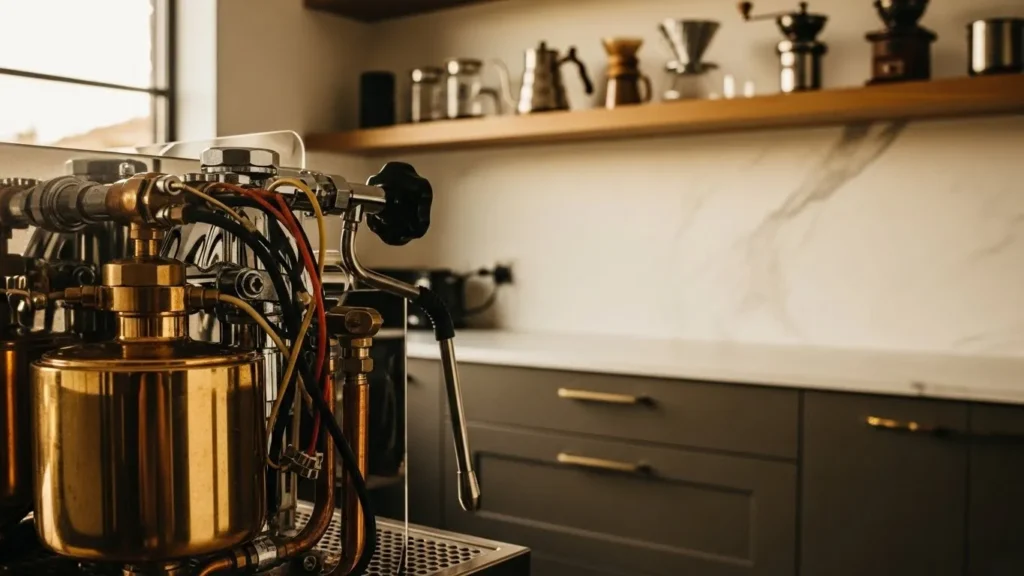
☕ Coffeeonix Secret : A $20 gasket + $15 shower screen replacement can make a used espresso machine feel brand new. Budget for it upfront and negotiate the price down.
Red Flags You Should Never Ignore
If you see any of these, stop negotiating and leave:
- Rust inside the frame
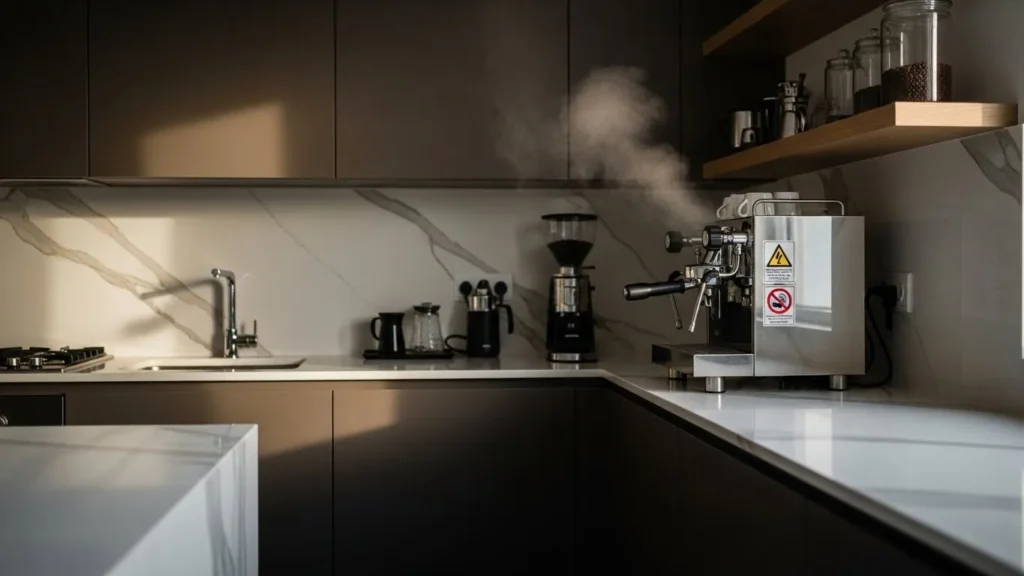
- Electrical smell when heating
- Random error codes
- Seller refuses a test pull
- “It just needs a small fix” (it doesn’t)
Espresso machines are honest. When they’re dying, they tell you.
Where to Buy Used Espresso Machines Safely
Best Places:
- Local specialty coffee shops (upgrading gear)
- Coffee forums or Reddit subs
- Facebook Marketplace (pickup only)
- Certified refurbishers
Avoid mystery eBay listings with stock photos. Always.
Refurbished vs Used: Which Is Better?
Short answer: refurbished if you hate surprises.
Refurbished espresso machines cost more but usually include:
- New gaskets & seals
- Clean boiler
- Tested pressure & temp
- Short warranty
Used machines are cheaper-but you’re the technician now.
Final Verdict: Should You Buy a Used Espresso Machine?
Yes-if you buy smart.
A used espresso machine can deliver café-quality latte at home for half the price of new. But only if you prioritize build quality over features and condition over hype.
If you want convenience, buy new.
If you want better espresso, buy used.
FAQ
Yes, especially for prosumer and commercial models with serviceable parts.
Age matters less than maintenance. A 15-year-old well-kept machine can outperform a new budget model.
Rancilio Silvia, Gaggia Classic, Rocket Appartamento, ECM Classika.
Yes-unless the seller provides proof it was recently done.
