
Intro
At Coffeeonix, we spend our mornings tasting, comparing, and sometimes arguing over which beans truly earn the title best coffee beans in the world.
This 2025 list is not a recycled ranking – it’s built on fresh harvests, auction data, and actual cups brewed in our own kitchen. Expect detail, not hype.
Mini fact: In 2025, global arabica prices rose ≈ 12 %, pushing some rare microlots into luxury status – freshness now matters more than ever.
How We Selected the Top 10
We cupped, compared, and argued over hundreds of beans before choosing these ten. Each earned its place for one reason – character. They scored above 87 in cuppings, came from transparent farms, and tasted unmistakably their own.
Every listing includes real tasting notes, altitude, process, and brew tips – all tested in our own setup, so you can explore the world’s flavors, one cup at a time.
Of course, this isn’t a perfect or definitive list. It’s just a small slice of the many amazing beans out there. Still, my girlfriend and I did our best to weigh everything, taste dozens of origins, and build our own top based on real experience. These are simply the ones that stood out the most – and reminded us why we love coffee so much.
The World’s Top 10 Coffee Beans
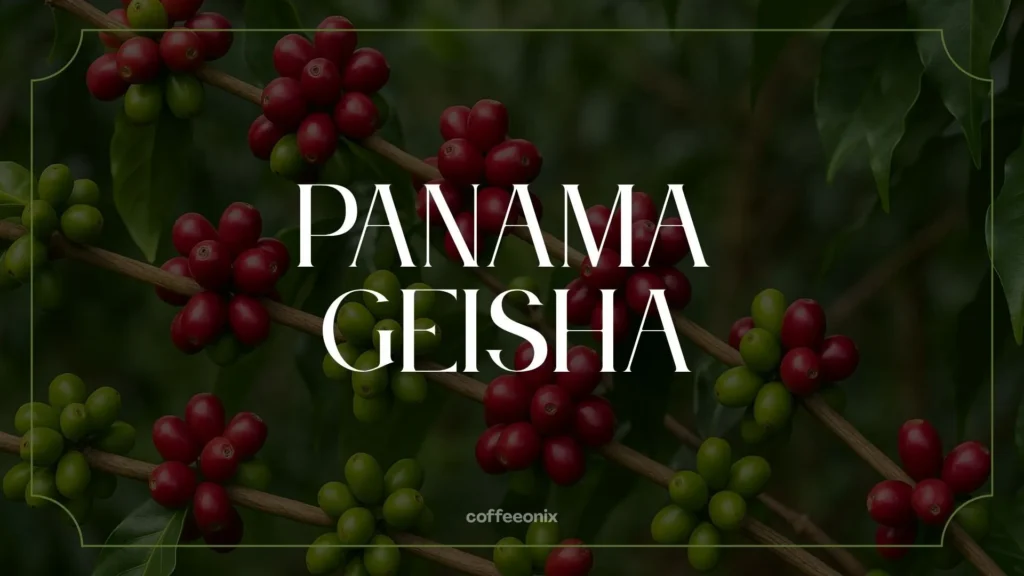
1. Panama Geisha – Boquete, Hacienda La Esmeralda
Discovered in Ethiopia but perfected in Panama, Geisha is the queen of modern coffee.
At 1 ,900 m in Boquete’s volcanic soils, it reveals jasmine perfume, honey sweetness, and white-peach brightness.
In 2025, Hacienda La Esmeralda’s washed microlot hit $30,204 / kg at the Best of Panama – a record proving beauty still has its price.
Personally, this one stole my heart. The first time I brewed Panama Geisha, I expected hype – instead, I got jasmine, peach, and honey in one cup. It’s the kind of coffee that makes you stop mid-sip and just smile.
“If coffee had a perfume, it would smell like Panama Geisha,” said a Q-grader at the 2025 finals.
Origin: Boquete Valley, Panama
Variety: Geisha
Altitude: 1,800–2,000 m
Process: Washed / Natural
Cup Profile: Jasmine, bergamot, honey, peach, long floral finish
Brew Tip: Light roast | Chemex 1 : 16 | 92 °C water
Fun Fact: First Geisha seeds came from Ethiopia > Costa Rica > Panama (1960s).
2. Jamaica Blue Mountain – Certified Typica
Born in mist and legend, Blue Mountain is as smooth as Caribbean jazz.
Grown between 1,200 – 1,800 m, its Typica beans mature slowly, developing gentle almond sweetness and zero bitterness.
Strict certification keeps quality tight – only genuine exports bear the Coffee Industry Board seal, and ≈ 80 % go to Japan, explaining the rarity.
Origin: Blue Mountains Region, Jamaica
Variety: Typica
Altitude: 1,200–1,800 m
Process: Washed
Cup Profile: Mild, balanced, almond, tobacco, cocoa, silky body
Brew Tip: Medium roast | French press | 93 °C water
Fun Fact: Japan’s loyalty dates back to 1950s trade agreements.
3. Ethiopia Yirgacheffe Heirloom
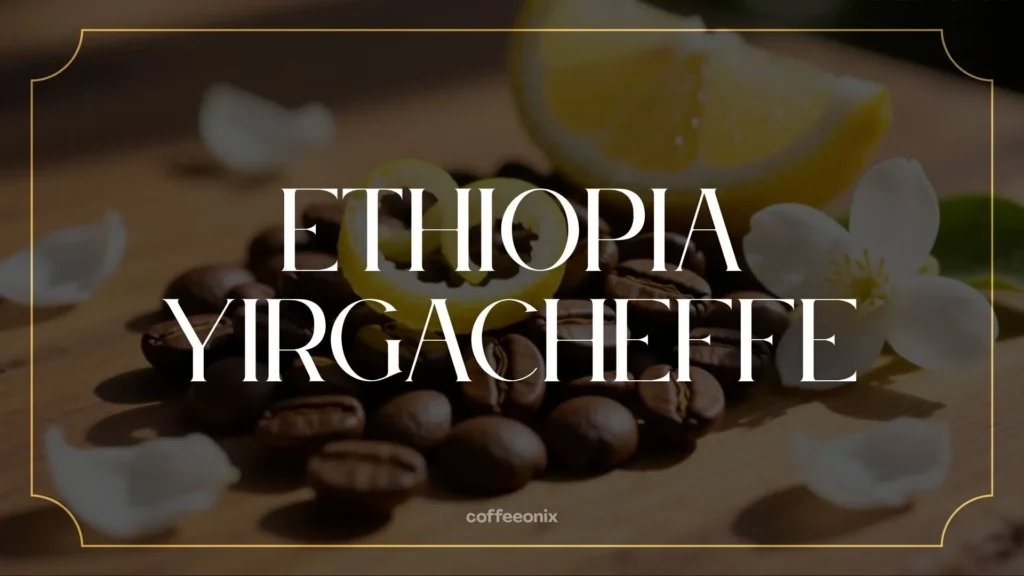
The spiritual home of coffee. At 1,900 m in southern Ethiopia, heirloom varieties produce aromas of lemon blossom and bergamot with a tea-like body.
Washed lots give sparkling clarity; naturals bring strawberry sweetness. Every sip feels alive.
Origin: Yirgacheffe, Gedeo Zone
Variety: Ethiopian Heirloom
Altitude: 1,800–2,000 m
Process: Washed / Natural
Cup Profile: Citrus, floral, tea-like, sweet finish
Brew Tip: Light roast | V60 | 94 °C water
Fun Fact: Yirgacheffe was the first Ethiopian coffee to gain single-origin status in the 1970s.
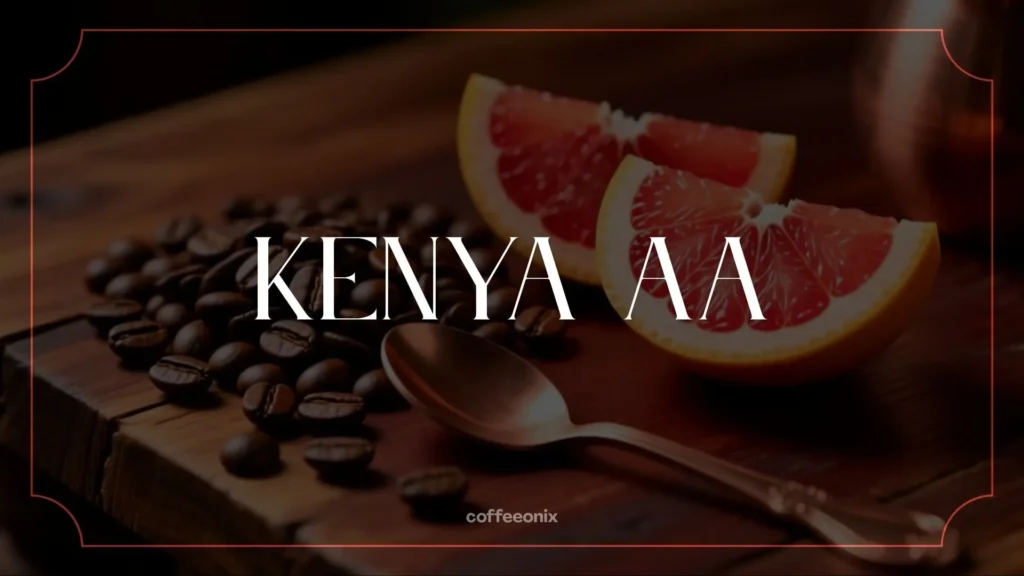
4. Kenya AA – Nyeri and Kirinyaga Estates
Bright, bold, and juicy. Kenya AA delivers blackcurrant aroma, citrus sparkle, and a wine-like aftertaste.
SL28 and SL34 varieties thrive at ≈ 1,800 m on volcanic soils rich in iron. The grading “AA” refers to bean size – the largest and most flavorful screens.
Origin: Central Kenya
Varieties: SL28, SL34
Altitude: 1,600–2,000 m
Process: Washed
Cup Profile: Blackcurrant, grapefruit, molasses sweetness, bright acidity
Brew Tip: Medium-light roast | Pour-over 3 min | 94 °C water
Fun Fact: Kenya’s auction system remains the most transparent in Africa.
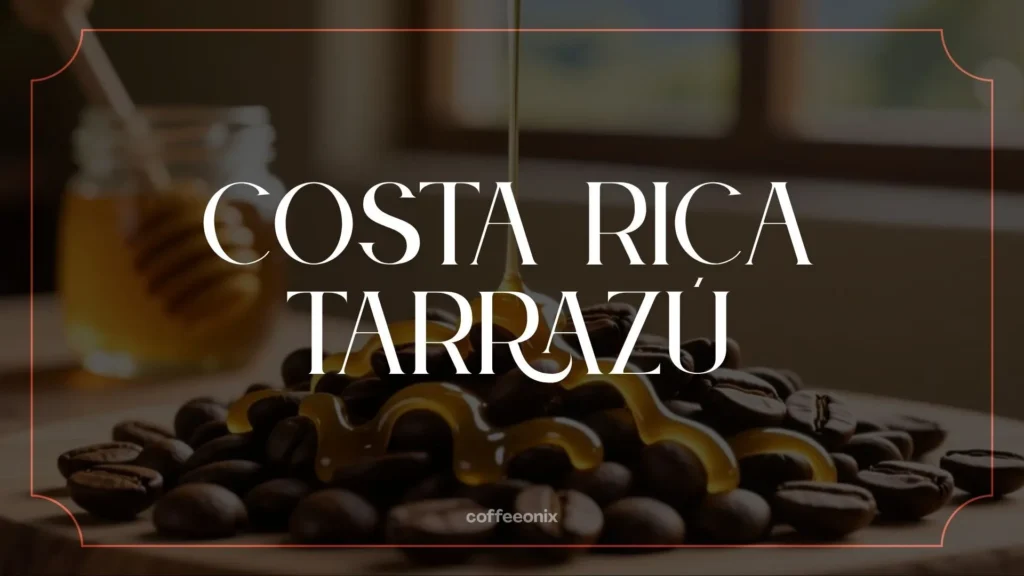
5. Costa Rica Tarrazú – CoopeDota Region
Costa Rica built its reputation on precision. At 1 ,600 m, Tarrazú’s honey-processed lots combine brightness with sugarcane sweetness. Volcanic minerals and community co-ops keep quality remarkably consistent.
Origin: Tarrazú Valley, Costa Rica
Variety: Caturra / Catuai
Altitude: 1,500–1,900 m
Process: Honey / Washed
Cup Profile: Citrus, brown sugar, honey, clean finish
Brew Tip: Medium roast | Drip or Espresso | 1 : 15 ratio
Fun Fact: CoopeDota was the first carbon-neutral coffee mill in Latin America.
6. Sumatra Mandheling – Lintong Region
Dark, dense, and mysterious like its rainforest home. Mandheling’s wet-hulled method creates a low-acid, earthy cup with spice and dark chocolate depth. Best after dinner – it feels like dessert without sugar.
Origin: North Sumatra, Indonesia
Variety: Typica hybrids
Altitude: 1,200–1,500 m
Process: Wet-hulled (Giling Basah)
Cup Profile: Earthy, chocolate, herbal, full body
Brew Tip: Medium-dark roast | French press | 90 °C water
Fun Fact: Wet-hulling was invented to speed drying in humid climates.
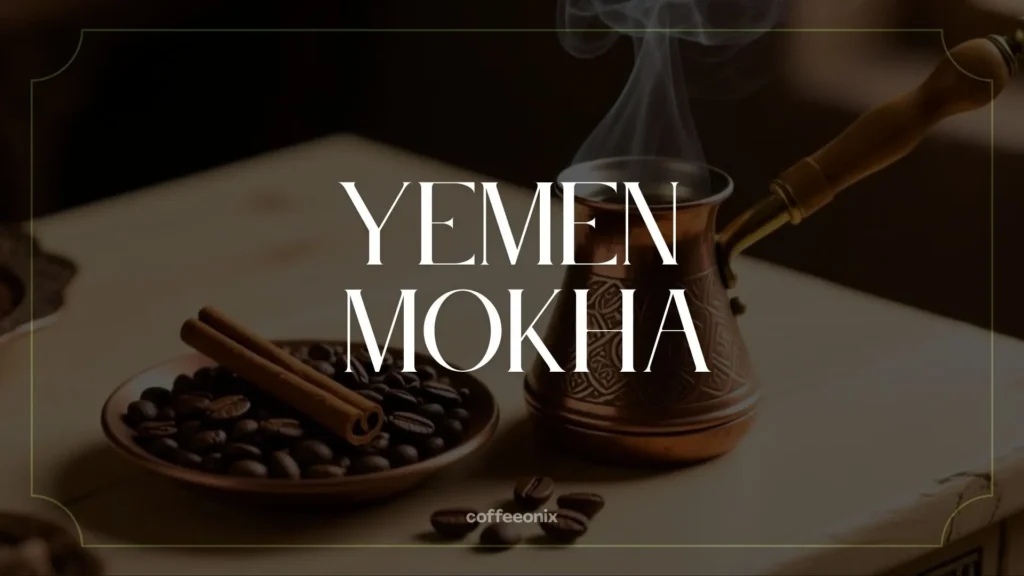
7. Yemen Mokha – Al Hudaydah Mountains
Ancient terraces and sun-dried cherries make Yemen Mokha a living time capsule. Raisins, spice, and cocoa define its flavour – an aroma older than espresso itself. Quantities are tiny but the story is immense.
Origin: Western Highlands, Yemen
Variety: Typica descendants
Altitude: 1,600–2,200 m
Process: Natural (sun-dried)
Cup Profile: Raisin, cocoa, spice, winey acidity
Brew Tip: Medium-light roast | Moka pot or Kalita Wave
Fun Fact: “Mocha” coffee owes its name to Yemen’s port of Al Mokha.
8. Papua New Guinea Sigri Estate
PNG Sigri might be the industry’s best-kept secret – high-altitude shade farms where birds sing over Arabica. The cup shows citrus, toffee and tropical sweetness with Kenyan-like acidity.
Origin: Western Highlands, PNG
Variety: Typica / Arusha
Altitude: 1,500–1,800 m
Process: Washed
Cup Profile: Citrus, toffee, tropical fruit, medium body
Brew Tip: Light-medium roast | Chemex | 93 °C
Fun Fact: Sigri is bird-friendly certified and uses 100 % rainforest shade.
9. El Salvador Bourbon – Volcán Azul
Classic Bourbon variety thrives on El Salvador’s volcanic slopes at 1 ,500 m. Caramel sweetness meets apple acidity and a creamy body. In 2025, Volcán Azul microlots ranked among Cup of Excellence finalists – proof that tradition and science can co-exist.
Origin: Santa Ana Region, El Salvador
Variety: Bourbon
Altitude: 1,400–1,700 m
Process: Washed / Natural
Cup Profile: Caramel, apple, nougat, balanced acidity
Brew Tip: Medium roast | Espresso or AeroPress
Fun Fact: El Salvador produced the world’s first Cup of Excellence winner in 2003.
10. Brazil Mogiana – Shade-Grown Arabica
Mogiana is Brazil’s comfort cup – hazelnut, milk chocolate, and caramel sweetness with a creamy texture. Shade-grown lots from São Paulo’s plateau reach 1 ,200 m and deliver a surprisingly complex balance. It’s the kind of bean that shines in milk-based drinks — we often use it when testing recipes for our latte at home guide, because its chocolatey notes blend beautifully with steamed milk.
Origin: São Paulo State, Brazil
Variety: Catuai / Bourbon
Altitude: 1,000–1,300 m
Process: Pulped Natural / Natural
Cup Profile: Nutty, chocolate, smooth body
Brew Tip: Medium-dark roast | Espresso 18 g in → 36 g out | 27 s shot
Fun Fact: Mogiana’s co-ops produce over 1 million bags yearly – yet still roast locally for freshness.

Buying Smart in 2025
- Always check the roast date and find out how the beans were stored. A 2025 auction record may mean nothing if the roast date is six months old.
- Ask for farm altitude, varietal, process – details matter for flavour and value.
- Support roasters who pay above fair-trade rates.
- Coffee Beans and Roasting Category – your ultimate guide to beans.
- If you’re comparing specialty beans, always check official standards. The Specialty Coffee Association defines cupping protocols and scoring above 87 points – a global benchmark for excellence.
Brew Method Matrix
| Origin | Roast | Method | Why |
|---|---|---|---|
| Panama Geisha | Light | Chemex | preserve florals |
| Jamaica Blue Mountain | Medium | French press | silky body |
| Ethiopia Yirgacheffe | Light | V60 | citrus clarity |
| Kenya AA | Medium-light | Pour-over | bold fruit |
| Costa Rica Tarrazú | Medium | Drip / Espresso | brightness + sugar |
| Sumatra Mandheling | Medium-dark | Press / Cold brew | dense, deep body |
| Yemen Mokha | Medium-light | Moka / Kalita | spice, raisin, heritage |
| PNG Sigri | Light-medium | Chemex/Flat dripper | tropical fruit + clarity |
| El Salvador Bourbon | Medium | Espresso / AeroPress | caramel + apple acidity |
| Brazil Mogiana | Medium-dark | Espresso (milk drink) | nutty, smooth, accessible |
FAQ
“Best” always has a personal component – however, the origins here regularly score among the highest in cuppings and auctions globally. Use this list as a map, not a rulebook.
Not necessarily. A lot may cost thousands $/kg for rarity, but if you don’t enjoy the cup profile, budget beans with freshness and transparency may give more joy per dollar.
High-acidity, floral beans like Ethiopia Yirgacheffe or Kenya AA excel in filter; dense, chocolatey beans like Brazil Mogiana or Sumatra Mandheling suit espresso or milk-based drinks.
Ideally roasted within the last 4–6 weeks and stored in sealed packaging away from light/oxygen. Old roast dates reduce the flavour nuance dramatically.
Yes – some origins (like Brazil Mogiana) give high quality at lower price. Focus on process transparency and roast date rather than only price.
Final Thoughts
Perfect coffee isn’t a myth — it’s a moment. It might be a $30,000/kg Geisha or a simple bag you brew half-awake on Monday morning. What matters is freshness, honesty of origin, and a little curiosity in every cup.
And if you want to turn those moments into a habit, read our piece on morning coffee rituals – it’s all about making your daily cup a ritual worth slowing down for.
